
Rashid Johnson: A Poem for Deep Thinkers
Rashid Johnson: A Poem for Deep Thinkers
June 5–November 28, 2027
One of the leading voices of his generation, Rashid Johnson (b. Chicago, 1977) explores the search for freedom—ranging from civil rights to artistic freedom—and the complexity of the human condition. Bringing together more than fifty works spanning Johnson’s career from the 1990s to the present, Rashid Johnson: A Poem for Deep Thinkers traces the evolution of the artist’s life and his artistic materials, addressing identity, cultural ancestors, escape, anxiety, the physical body, nature, parenthood, home, and spirituality.
Read full description-
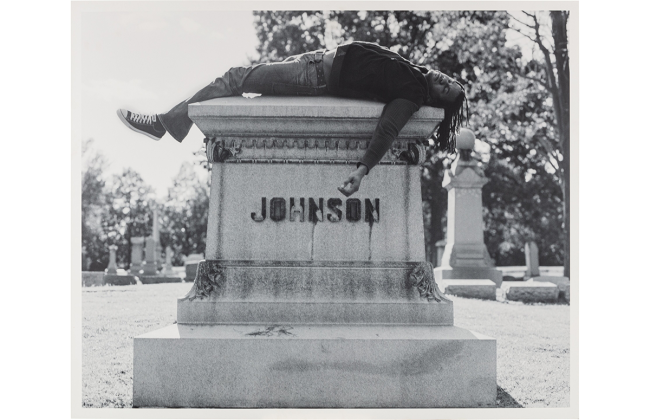
Rashid Johnson, Self Portrait laying on Jack Johnson’s Grave, 2006; chromogenic print mounted on panel; collection of Dr. Daniel S. Berger. © Rashid Johnson, 2025.
-
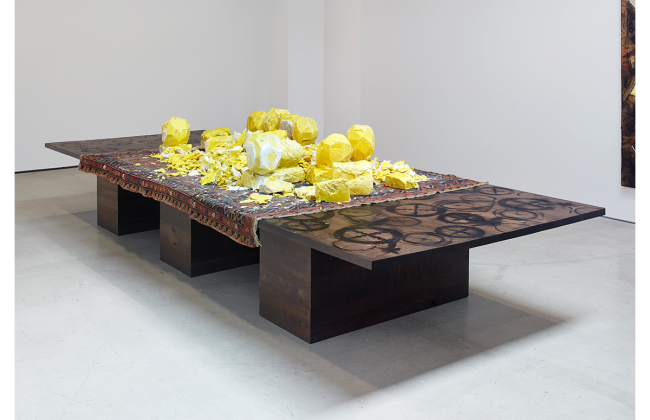
Rashid Johnson, Untitled (Shea Butter Table), 2016; shea butter, Persian rug, and branded walnut; private collection. © Rashid Johnson, 2025. Photo: Martin Parsekian.
-
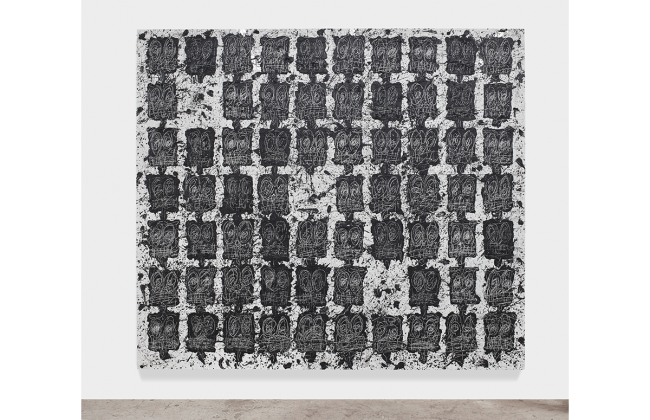
Rashid Johnson, Untitled Anxious Audience, 2019; ceramic tile, black soap, and wax; collection of Clara Wu Tsai. © Rashid Johnson, 2025. Photo: Martin Parsekian.
-
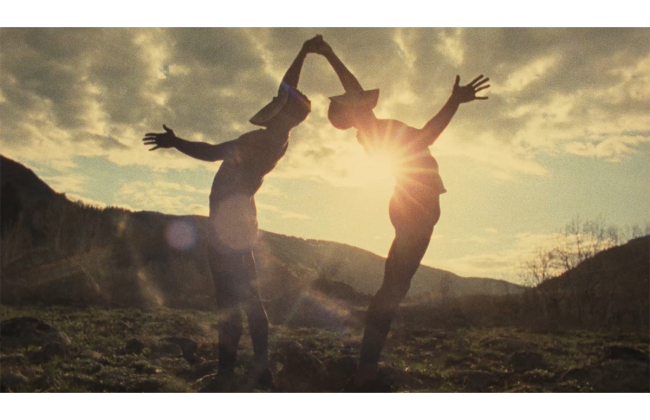
Rashid Johnson, The Hikers, 2019; color video with sound, transferred from 16 mm film; 6:54 min.; collection of High Museum of Art, Atlanta; gift of Charles Roth. © Rashid Johnson, 2025.
-
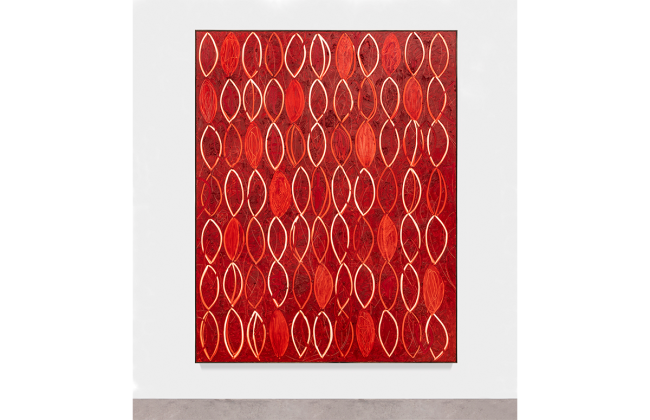
Rashid Johnson, God Painting “The Spirit,” 2023; oil on linen; private collection. © Rashid Johnson, 2025. Photo: Stephanie Powell.
-
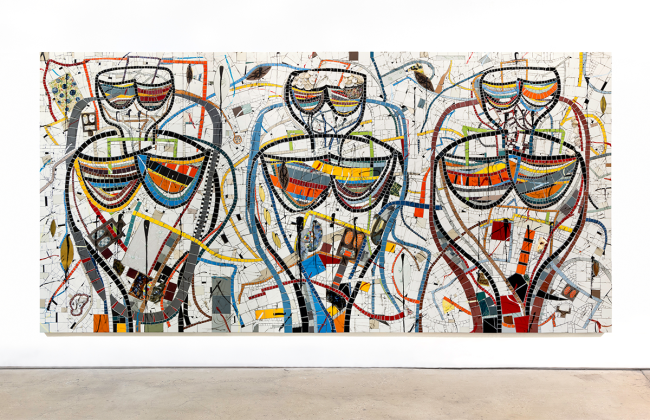
Rashid Johnson, Three Broken Souls, 2024; ceramic tile, mirror, branded red oak flooring, spray enamel, oil stick, black soap, wax, bronze, oyster shells, and wood panel. © Rashid Johnson, 2025. Photo: Stephanie Powell.
- Upcoming
Films - Past
Films - Past
Events